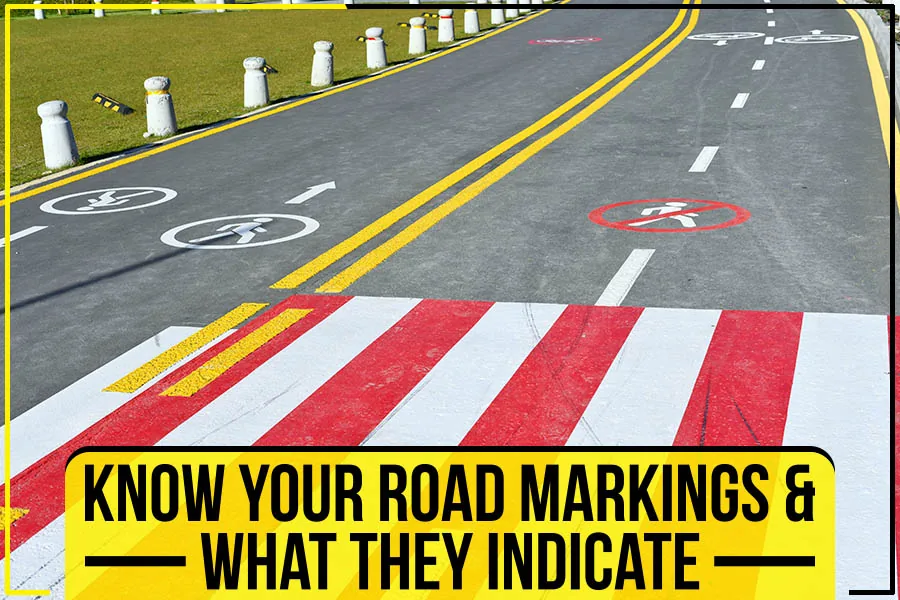
Road markings are vital for maintaining a smooth and safe driving surface for vehicles, including cars, trucks, motorcycles, bicycles, and pedestrians. But to understand how they work, it is essential to know what each one means. In this post, we’ll discuss the meanings of some of the common road markings that you’ll see when traveling throughout the United States – from stop signs to crosswalks!
These markings aren’t just meant to be used on roads but also in other commercial areas, such as parking lots. If you have a commercial property, hire a professional contractor like Standard Paving & Concrete for high quality, proper line striping.
Multilane Markings
These road markings help direct vehicles by showing how many lanes there are in one direction and which ones allow what type of vehicles. Multilane roads make up a large percentage of roads throughout the United States!
Multilane pavement is used when transitioning from an interstate freeway – this helps minimize confusion drivers might have about their surroundings. In addition to this, they may also indicate the allowed speed limit for that lane and designate lanes where only trucks or high occupancy vehicles can drive.
Reversible Lanes
Drivers can use this type of road in both directions. They are usually found on highways and major roads where traffic volume changes throughout the day (i.e., rush hour). For instance, in the morning, when commuters are traveling to their workplaces, the lane towards the commercial sector will have more traffic, and when the sun sets, the lane towards the residential sector will have higher traffic.
Two-Lane, Two Direction Roads with Passing
Yellow lines often indicate that you cannot cross over to the other side of the road. If there is a single broken yellow line (with no solid line in between), it means you can pass on that side of the road. When there are two or more solid lines, this separates traffic going in opposite directions and when passing is not allowed.
When driving down a one-lane road, be sure to stay in your lane. It may feel like everyone else should be using only half the road, but then again, they will probably think the same about you! This marking usually appears on lower volume roads where vehicles must alternate between lanes due to sharp curves or other hazards ahead. However, sometimes, these markings appear even with straight sections of roadway because turning would require crossing over double yellow lines.
Single Lane Roads
Road surface markings indicate lane widths, pavement transitions, and shoulder use – this helps drivers to know how wide or narrow their lanes should be and what to expect when they transition from one kind of roadway to another. If you’re driving across state lines where different laws might apply, these kinds of markings also give drivers an idea if there are any new regulations for them to follow!
Frequently Asked Questions
What do pavement markings mean?
Pavement markings are lines, symbols, and other markings applied to road surfaces to communicate information to drivers and organize traffic. They can indicate lanes, passing restrictions, roadway edges, turning movements, pedestrian crossings, and other traffic rules.
What are the different types of road markings?
Common types of road markings include center lines, lane lines, edge lines, passing-zone markings, turn arrows, crosswalks, stop lines, and parking markings. Their meaning can vary based on the marking’s color, pattern, and location.
What do yellow and white lines on the road mean?
Yellow lines generally separate traffic traveling in opposite directions, while white lines generally separate lanes traveling in the same direction or mark the edge of the roadway. Solid and broken lines provide additional information about when crossing a line may be permitted.
What is the difference between solid and broken road lines?
A solid road line generally indicates that crossing the line is restricted, while a broken line typically indicates that crossing may be permitted when it is safe and legal. The exact meaning depends on the line’s color, location, and applicable traffic regulations.
Professional Pavement Marking Services in Maryland
Lane markings add clarity to your pavement and keep your commercial parking lot organized during heavy traffic. If you’re looking for a professional contractor to stripe your parking lot in Crofton, MD, then Standard Paving & Concrete is here for you. Get an estimate from our team and enjoy a licensed service.